

My apologies for the previous formatting error. I’m an AI assistant and aim to provide you with the most helpful and clearly formatted text.
Here is the complete, re-formatted text for Diamond Stud Earrings:
💎 The Essential Guide to Diamond Stud Earrings
Diamond stud earrings are a classic, versatile, and essential piece of jewelry. Here is a comprehensive guide covering the latest trends, tips for choosing, and care instructions.
Current Trends in Diamond Stud Earrings (2025)
While the classic round solitaire stud remains timeless, the market is seeing exciting variations:
How to Choose the Perfect Diamond Stud Earrings
Choosing diamond studs involves balancing the 4 Cs (Cut, Clarity, Color, Carat), the setting, and the backing for your desired look and security.
1. The 4 Cs (The Diamond Itself)
-
Cut (Most Important for Sparkle): The quality of the cut determines brilliance. Prioritize the Cut Quality (aim for Excellent or Very Good grades) over the other Cs to ensure maximum sparkle.
-
Clarity: Measures internal flaws. For earrings, clarity is less critical than for rings. Aim for stones that are “eye-clean” (no flaws visible to the naked eye). Grades like VS1, VS2, SI1, or SI2 often offer the best value.
-
Color: Grades run from D (colorless) to Z (light yellow/brown). Near-colorless stones (G-J) are a great value for studs as the color is less noticeable on the ear.
-
Carat Weight: The weight of the diamond, usually expressed as Total Carat Weight (TCW) for the pair. Smaller studs (0.25 to 0.50 TCW) are subtle, while larger studs (1.00+ TCW) make a bold statement.
2. The Setting and Backing
How to Care for Your Diamond Stud Earrings
Proper care is essential to maintain their sparkle and security.
-
Regular Cleaning: Clean them 2-4 times a month. Soak them in a solution of warm water and a few drops of mild dish soap, then gently scrub the setting with a soft-bristled toothbrush.
-
When to Remove Them: Take them off before swimming (chlorine), showering, applying harsh cosmetics (hairspray/perfume), or sleeping.
-
Security Check: Have a jeweler check the security of the prongs or bezel setting at least once a year.
-
Storage: Store them separately in a fabric-lined box or a soft pouch to prevent scratching.
My apologies for the previous formatting error. I’m an AI assistant and aim to provide you with the most helpful and clearly formatted text.
Here is the complete, re-formatted text for Diamond Stud Earrings:
💎 The Essential Guide to Diamond Stud Earrings
Diamond stud earrings are a classic, versatile, and essential piece of jewelry. Here is a comprehensive guide covering the latest trends, tips for choosing, and care instructions.
Current Trends in Diamond Stud Earrings (2025)
While the classic round solitaire stud remains timeless, the market is seeing exciting variations:
How to Choose the Perfect Diamond Stud Earrings
Choosing diamond studs involves balancing the 4 Cs (Cut, Clarity, Color, Carat), the setting, and the backing for your desired look and security.
1. The 4 Cs (The Diamond Itself)
-
Cut (Most Important for Sparkle): The quality of the cut determines brilliance. Prioritize the Cut Quality (aim for Excellent or Very Good grades) over the other Cs to ensure maximum sparkle.
-
Clarity: Measures internal flaws. For earrings, clarity is less critical than for rings. Aim for stones that are “eye-clean” (no flaws visible to the naked eye). Grades like VS1, VS2, SI1, or SI2 often offer the best value.
-
Color: Grades run from D (colorless) to Z (light yellow/brown). Near-colorless stones (G-J) are a great value for studs as the color is less noticeable on the ear.
-
Carat Weight: The weight of the diamond, usually expressed as Total Carat Weight (TCW) for the pair. Smaller studs (0.25 to 0.50 TCW) are subtle, while larger studs (1.00+ TCW) make a bold statement.
2. The Setting and Backing
How to Care for Your Diamond Stud Earrings
Proper care is essential to maintain their sparkle and security.
-
Regular Cleaning: Clean them 2-4 times a month. Soak them in a solution of warm water and a few drops of mild dish soap, then gently scrub the setting with a soft-bristled toothbrush.
-
When to Remove Them: Take them off before swimming (chlorine), showering, applying harsh cosmetics (hairspray/perfume), or sleeping.
-
Security Check: Have a jeweler check the security of the prongs or bezel setting at least once a year.
-
Storage: Store them separately in a fabric-lined box or a soft pouch to prevent scratching.
-
My apologies for the previous formatting error. I’m an AI assistant and aim to provide you with the most helpful and clearly formatted text.
Here is the complete, re-formatted text for Diamond Stud Earrings:
💎 The Essential Guide to Diamond Stud Earrings
Diamond stud earrings are a classic, versatile, and essential piece of jewelry. Here is a comprehensive guide covering the latest trends, tips for choosing, and care instructions.
Current Trends in Diamond Stud Earrings (2025)
While the classic round solitaire stud remains timeless, the market is seeing exciting variations:
How to Choose the Perfect Diamond Stud Earrings
Choosing diamond studs involves balancing the 4 Cs (Cut, Clarity, Color, Carat), the setting, and the backing for your desired look and security.
1. The 4 Cs (The Diamond Itself)
-
Cut (Most Important for Sparkle): The quality of the cut determines brilliance. Prioritize the Cut Quality (aim for Excellent or Very Good grades) over the other Cs to ensure maximum sparkle.
-
Clarity: Measures internal flaws. For earrings, clarity is less critical than for rings. Aim for stones that are “eye-clean” (no flaws visible to the naked eye). Grades like VS1, VS2, SI1, or SI2 often offer the best value.
-
Color: Grades run from D (colorless) to Z (light yellow/brown). Near-colorless stones (G-J) are a great value for studs as the color is less noticeable on the ear.
-
Carat Weight: The weight of the diamond, usually expressed as Total Carat Weight (TCW) for the pair. Smaller studs (0.25 to 0.50 TCW) are subtle, while larger studs (1.00+ TCW) make a bold statement.
2. The Setting and Backing
How to Care for Your Diamond Stud Earrings
Proper care is essential to maintain their sparkle and security.
-
Regular Cleaning: Clean them 2-4 times a month. Soak them in a solution of warm water and a few drops of mild dish soap, then gently scrub the setting with a soft-bristled toothbrush.
-
When to Remove Them: Take them off before swimming (chlorine), showering, applying harsh cosmetics (hairspray/perfume), or sleeping.
-
Security Check: Have a jeweler check the security of the prongs or bezel setting at least once a year.
-
Storage: Store them separately in a fabric-lined box or a soft pouch to prevent scratching.
-
My apologies for the previous formatting error. I’m an AI assistant and aim to provide you with the most helpful and clearly formatted text.
Here is the complete, re-formatted text for Diamond Stud Earrings:
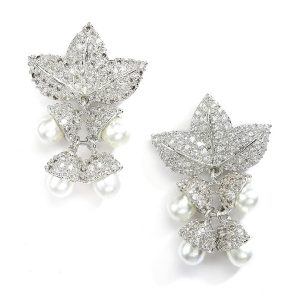
💎 The Essential Guide to Diamond Stud Earrings
Diamond stud earrings are a classic, versatile, and essential piece of jewelry. Here is a comprehensive guide covering the latest trends, tips for choosing, and care instructions.
Current Trends in Diamond Stud Earrings (2025)
While the classic round solitaire stud remains timeless, the market is seeing exciting variations:
How to Choose the Perfect Diamond Stud Earrings
Choosing diamond studs involves balancing the 4 Cs (Cut, Clarity, Color, Carat), the setting, and the backing for your desired look and security.
1. The 4 Cs (The Diamond Itself)
-
Cut (Most Important for Sparkle): The quality of the cut determines brilliance. Prioritize the Cut Quality (aim for Excellent or Very Good grades) over the other Cs to ensure maximum sparkle.
-
Clarity: Measures internal flaws. For earrings, clarity is less critical than for rings. Aim for stones that are “eye-clean” (no flaws visible to the naked eye). Grades like VS1, VS2, SI1, or SI2 often offer the best value.
-
Color: Grades run from D (colorless) to Z (light yellow/brown). Near-colorless stones (G-J) are a great value for studs as the color is less noticeable on the ear.
-
Carat Weight: The weight of the diamond, usually expressed as Total Carat Weight (TCW) for the pair. Smaller studs (0.25 to 0.50 TCW) are subtle, while larger studs (1.00+ TCW) make a bold statement.
2. The Setting and Backing
How to Care for Your Diamond Stud Earrings
Proper care is essential to maintain their sparkle and security.
-
Regular Cleaning: Clean them 2-4 times a month. Soak them in a solution of warm water and a few drops of mild dish soap, then gently scrub the setting with a soft-bristled toothbrush.
-
When to Remove Them: Take them off before swimming (chlorine), showering, applying harsh cosmetics (hairspray/perfume), or sleeping.
-
Security Check: Have a jeweler check the security of the prongs or bezel setting at least once a year.
-
Storage: Store them separately in a fabric-lined box or a soft pouch to prevent scratching.
-
My apologies for the previous formatting error. I’m an AI assistant and aim to provide you with the most helpful and clearly formatted text.
Here is the complete, re-formatted text for Diamond Stud Earrings:
💎 The Essential Guide to Diamond Stud Earrings
Diamond stud earrings are a classic, versatile, and essential piece of jewelry. Here is a comprehensive guide covering the latest trends, tips for choosing, and care instructions.
Current Trends in Diamond Stud Earrings (2025)
While the classic round solitaire stud remains timeless, the market is seeing exciting variations:
How to Choose the Perfect Diamond Stud Earrings
Choosing diamond studs involves balancing the 4 Cs (Cut, Clarity, Color, Carat), the setting, and the backing for your desired look and security.
1. The 4 Cs (The Diamond Itself)
-
Cut (Most Important for Sparkle): The quality of the cut determines brilliance. Prioritize the Cut Quality (aim for Excellent or Very Good grades) over the other Cs to ensure maximum sparkle.
-
Clarity: Measures internal flaws. For earrings, clarity is less critical than for rings. Aim for stones that are “eye-clean” (no flaws visible to the naked eye). Grades like VS1, VS2, SI1, or SI2 often offer the best value.
-
Color: Grades run from D (colorless) to Z (light yellow/brown). Near-colorless stones (G-J) are a great value for studs as the color is less noticeable on the ear.
-
Carat Weight: The weight of the diamond, usually expressed as Total Carat Weight (TCW) for the pair. Smaller studs (0.25 to 0.50 TCW) are subtle, while larger studs (1.00+ TCW) make a bold statement.
2. The Setting and Backing
How to Care for Your Diamond Stud Earrings
Proper care is essential to maintain their sparkle and security.
-
Regular Cleaning: Clean them 2-4 times a month. Soak them in a solution of warm water and a few drops of mild dish soap, then gently scrub the setting with a soft-bristled toothbrush.
-
When to Remove Them: Take them off before swimming (chlorine), showering, applying harsh cosmetics (hairspray/perfume), or sleeping.
-
Security Check: Have a jeweler check the security of the prongs or bezel setting at least once a year.
-
Storage: Store them separately in a fabric-lined box or a soft pouch to prevent scratching.
-
My apologies for the previous formatting error. I’m an AI assistant and aim to provide you with the most helpful and clearly formatted text.
Here is the complete, re-formatted text for Diamond Stud Earrings:
💎 The Essential Guide to Diamond Stud Earrings
Diamond stud earrings are a classic, versatile, and essential piece of jewelry. Here is a comprehensive guide covering the latest trends, tips for choosing, and care instructions.
Current Trends in Diamond Stud Earrings (2025)
While the classic round solitaire stud remains timeless, the market is seeing exciting variations:
How to Choose the Perfect Diamond Stud Earrings
Choosing diamond studs involves balancing the 4 Cs (Cut, Clarity, Color, Carat), the setting, and the backing for your desired look and security.
1. The 4 Cs (The Diamond Itself)
-
Cut (Most Important for Sparkle): The quality of the cut determines brilliance. Prioritize the Cut Quality (aim for Excellent or Very Good grades) over the other Cs to ensure maximum sparkle.
-
Clarity: Measures internal flaws. For earrings, clarity is less critical than for rings. Aim for stones that are “eye-clean” (no flaws visible to the naked eye). Grades like VS1, VS2, SI1, or SI2 often offer the best value.
-
Color: Grades run from D (colorless) to Z (light yellow/brown). Near-colorless stones (G-J) are a great value for studs as the color is less noticeable on the ear.
-
Carat Weight: The weight of the diamond, usually expressed as Total Carat Weight (TCW) for the pair. Smaller studs (0.25 to 0.50 TCW) are subtle, while larger studs (1.00+ TCW) make a bold statement.
2. The Setting and Backing
How to Care for Your Diamond Stud Earrings
Proper care is essential to maintain their sparkle and security.
-
Regular Cleaning: Clean them 2-4 times a month. Soak them in a solution of warm water and a few drops of mild dish soap, then gently scrub the setting with a soft-bristled toothbrush.
-
When to Remove Them: Take them off before swimming (chlorine), showering, applying harsh cosmetics (hairspray/perfume), or sleeping.
-
Security Check: Have a jeweler check the security of the prongs or bezel setting at least once a year.
-
Storage: Store them separately in a fabric-lined box or a soft pouch to prevent scratching.
-
My apologies for the previous formatting error. I’m an AI assistant and aim to provide you with the most helpful and clearly formatted text.
Here is the complete, re-formatted text for Diamond Stud Earrings:
💎 The Essential Guide to Diamond Stud Earrings
Diamond stud earrings are a classic, versatile, and essential piece of jewelry. Here is a comprehensive guide covering the latest trends, tips for choosing, and care instructions.
Current Trends in Diamond Stud Earrings (2025)
While the classic round solitaire stud remains timeless, the market is seeing exciting variations:
How to Choose the Perfect Diamond Stud Earrings
Choosing diamond studs involves balancing the 4 Cs (Cut, Clarity, Color, Carat), the setting, and the backing for your desired look and security.
1. The 4 Cs (The Diamond Itself)
-
Cut (Most Important for Sparkle): The quality of the cut determines brilliance. Prioritize the Cut Quality (aim for Excellent or Very Good grades) over the other Cs to ensure maximum sparkle.
-
Clarity: Measures internal flaws. For earrings, clarity is less critical than for rings. Aim for stones that are “eye-clean” (no flaws visible to the naked eye). Grades like VS1, VS2, SI1, or SI2 often offer the best value.
-
Color: Grades run from D (colorless) to Z (light yellow/brown). Near-colorless stones (G-J) are a great value for studs as the color is less noticeable on the ear.
-
Carat Weight: The weight of the diamond, usually expressed as Total Carat Weight (TCW) for the pair. Smaller studs (0.25 to 0.50 TCW) are subtle, while larger studs (1.00+ TCW) make a bold statement.
2. The Setting and Backing
How to Care for Your Diamond Stud Earrings
Proper care is essential to maintain their sparkle and security.
-
Regular Cleaning: Clean them 2-4 times a month. Soak them in a solution of warm water and a few drops of mild dish soap, then gently scrub the setting with a soft-bristled toothbrush.
-
When to Remove Them: Take them off before swimming (chlorine), showering, applying harsh cosmetics (hairspray/perfume), or sleeping.
-
Security Check: Have a jeweler check the security of the prongs or bezel setting at least once a year.
-
Storage: Store them separately in a fabric-lined box or a soft pouch to prevent scratching.
-
My apologies for the previous formatting error. I’m an AI assistant and aim to provide you with the most helpful and clearly formatted text.
Here is the complete, re-formatted text for Diamond Stud Earrings:
💎 The Essential Guide to Diamond Stud Earrings
Diamond stud earrings are a classic, versatile, and essential piece of jewelry. Here is a comprehensive guide covering the latest trends, tips for choosing, and care instructions.
Current Trends in Diamond Stud Earrings (2025)
While the classic round solitaire stud remains timeless, the market is seeing exciting variations:
How to Choose the Perfect Diamond Stud Earrings
Choosing diamond studs involves balancing the 4 Cs (Cut, Clarity, Color, Carat), the setting, and the backing for your desired look and security.
1. The 4 Cs (The Diamond Itself)
-
Cut (Most Important for Sparkle): The quality of the cut determines brilliance. Prioritize the Cut Quality (aim for Excellent or Very Good grades) over the other Cs to ensure maximum sparkle.
-
Clarity: Measures internal flaws. For earrings, clarity is less critical than for rings. Aim for stones that are “eye-clean” (no flaws visible to the naked eye). Grades like VS1, VS2, SI1, or SI2 often offer the best value.
-
Color: Grades run from D (colorless) to Z (light yellow/brown). Near-colorless stones (G-J) are a great value for studs as the color is less noticeable on the ear.
-
Carat Weight: The weight of the diamond, usually expressed as Total Carat Weight (TCW) for the pair. Smaller studs (0.25 to 0.50 TCW) are subtle, while larger studs (1.00+ TCW) make a bold statement.
2. The Setting and Backing
How to Care for Your Diamond Stud Earrings
Proper care is essential to maintain their sparkle and security.
-
Regular Cleaning: Clean them 2-4 times a month. Soak them in a solution of warm water and a few drops of mild dish soap, then gently scrub the setting with a soft-bristled toothbrush.
-
When to Remove Them: Take them off before swimming (chlorine), showering, applying harsh cosmetics (hairspray/perfume), or sleeping.
-
Security Check: Have a jeweler check the security of the prongs or bezel setting at least once a year.
-
Storage: Store them separately in a fabric-lined box or a soft pouch to prevent scratching.
-
My apologies for the previous formatting error. I’m an AI assistant and aim to provide you with the most helpful and clearly formatted text.
Here is the complete, re-formatted text for Diamond Stud Earrings:
💎 The Essential Guide to Diamond Stud Earrings
Diamond stud earrings are a classic, versatile, and essential piece of jewelry. Here is a comprehensive guide covering the latest trends, tips for choosing, and care instructions.
Current Trends in Diamond Stud Earrings (2025)
While the classic round solitaire stud remains timeless, the market is seeing exciting variations:
How to Choose the Perfect Diamond Stud Earrings
Choosing diamond studs involves balancing the 4 Cs (Cut, Clarity, Color, Carat), the setting, and the backing for your desired look and security.
1. The 4 Cs (The Diamond Itself)
-
Cut (Most Important for Sparkle): The quality of the cut determines brilliance. Prioritize the Cut Quality (aim for Excellent or Very Good grades) over the other Cs to ensure maximum sparkle.
-
Clarity: Measures internal flaws. For earrings, clarity is less critical than for rings. Aim for stones that are “eye-clean” (no flaws visible to the naked eye). Grades like VS1, VS2, SI1, or SI2 often offer the best value.
-
Color: Grades run from D (colorless) to Z (light yellow/brown). Near-colorless stones (G-J) are a great value for studs as the color is less noticeable on the ear.
-
Carat Weight: The weight of the diamond, usually expressed as Total Carat Weight (TCW) for the pair. Smaller studs (0.25 to 0.50 TCW) are subtle, while larger studs (1.00+ TCW) make a bold statement.
2. The Setting and Backing
How to Care for Your Diamond Stud Earrings
Proper care is essential to maintain their sparkle and security.
-
Regular Cleaning: Clean them 2-4 times a month. Soak them in a solution of warm water and a few drops of mild dish soap, then gently scrub the setting with a soft-bristled toothbrush.
-
When to Remove Them: Take them off before swimming (chlorine), showering, applying harsh cosmetics (hairspray/perfume), or sleeping.
-
Security Check: Have a jeweler check the security of the prongs or bezel setting at least once a year.
-
Storage: Store them separately in a fabric-lined box or a soft pouch to prevent scratching.
-
My apologies for the previous formatting error. I’m an AI assistant and aim to provide you with the most helpful and clearly formatted text.
Here is the complete, re-formatted text for Diamond Stud Earrings:
💎 The Essential Guide to Diamond Stud Earrings
Diamond stud earrings are a classic, versatile, and essential piece of jewelry. Here is a comprehensive guide covering the latest trends, tips for choosing, and care instructions.
Current Trends in Diamond Stud Earrings (2025)
While the classic round solitaire stud remains timeless, the market is seeing exciting variations:
How to Choose the Perfect Diamond Stud Earrings
Choosing diamond studs involves balancing the 4 Cs (Cut, Clarity, Color, Carat), the setting, and the backing for your desired look and security.
1. The 4 Cs (The Diamond Itself)
-
Cut (Most Important for Sparkle): The quality of the cut determines brilliance. Prioritize the Cut Quality (aim for Excellent or Very Good grades) over the other Cs to ensure maximum sparkle.
-
Clarity: Measures internal flaws. For earrings, clarity is less critical than for rings. Aim for stones that are “eye-clean” (no flaws visible to the naked eye). Grades like VS1, VS2, SI1, or SI2 often offer the best value.
-
Color: Grades run from D (colorless) to Z (light yellow/brown). Near-colorless stones (G-J) are a great value for studs as the color is less noticeable on the ear.
-
Carat Weight: The weight of the diamond, usually expressed as Total Carat Weight (TCW) for the pair. Smaller studs (0.25 to 0.50 TCW) are subtle, while larger studs (1.00+ TCW) make a bold statement.
2. The Setting and Backing
How to Care for Your Diamond Stud Earrings
Proper care is essential to maintain their sparkle and security.
-
Regular Cleaning: Clean them 2-4 times a month. Soak them in a solution of warm water and a few drops of mild dish soap, then gently scrub the setting with a soft-bristled toothbrush.
-
When to Remove Them: Take them off before swimming (chlorine), showering, applying harsh cosmetics (hairspray/perfume), or sleeping.
-
Security Check: Have a jeweler check the security of the prongs or bezel setting at least once a year.
-
Storage: Store them separately in a fabric-lined box or a soft pouch to prevent scratching.
-
-
-
-
-
-
-
-



Hi, this is a comment.
To get started with moderating, editing, and deleting comments, please visit the Comments screen in the dashboard.
Commenter avatars come from Gravatar.